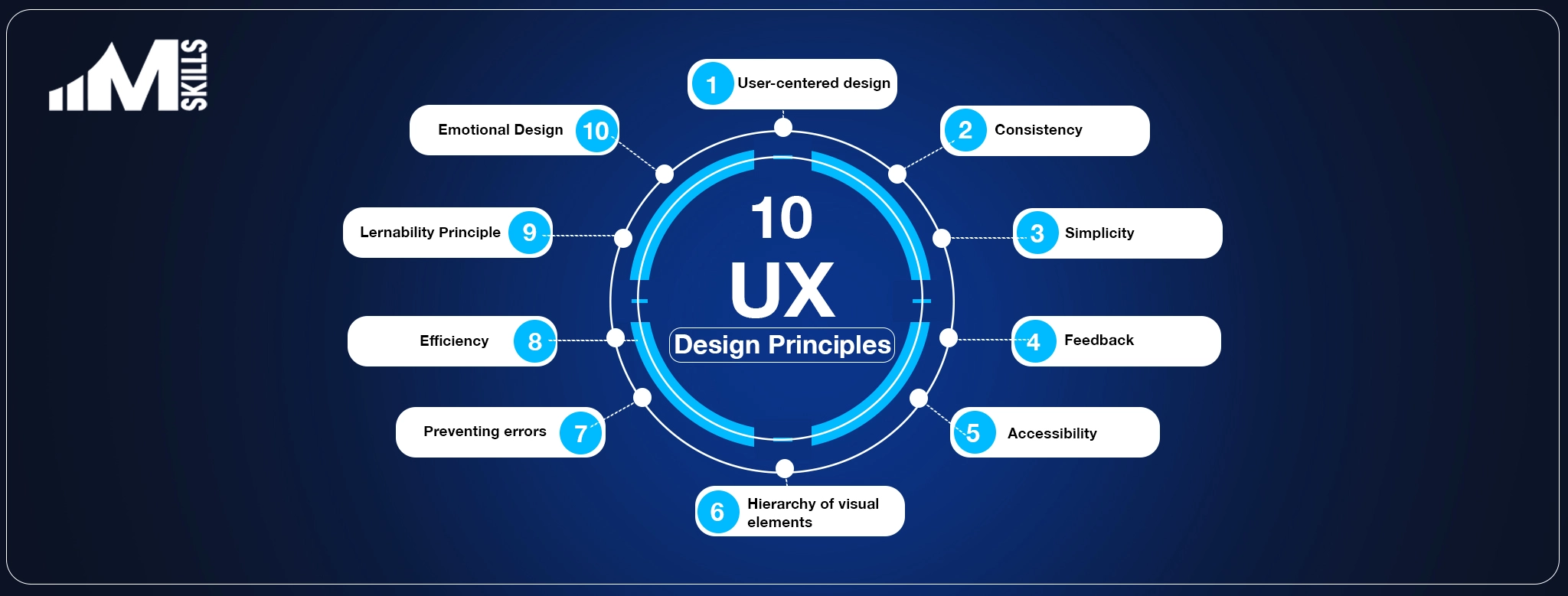
4. Feedback
Feedback is one of the most vital aspects in UX design. It keeps users informed about what is happening within the product. Every action a user takes should have a clear and unambiguous response.
Again, let us take an example. When a user clicks a button, there should be some change denoting that action. This could be a loading indicator, an animation, or a message. You can see different animations nowadays, when you click on the like button on a Youtube video. A success message with a tick pops up when you make a successful payment at Paytm.
Without any feedback, users may feel uncertain about whether their actions were successful. They might invariably repeat the action leading to errors, or other issues. Users may be frustrated with the interface as well. You have to provide clear feedback to build trust and enhance the overall user experience.
Also Check:
A thorough understanding of the UI UX designer salary can help you make the decision of whether you want to embark on a UX/UI design career.
5. Accessibility
Accessibility's core component is to make a product easy for everyone to use and navigate. This principle is not just about inclusivity. It is also about increasing your reach while improving on your usability aspect for all people irrespective of their limitations.
Accessible design includes readable text, sufficient color contrast, and screen reader compatibility among other things. When designers prioritize accessibility, they create experiences that are usable by a large audience.
Explore Difference between UI vs UX and understand what sets them apart
6. Hierarchy of the Visual Elements in UX
Visual hierarchy refers to the way different elements are arranged. The primary aim is to hold and guide users’ attention. That helps them to understand the importance of different components.
Designers use size, color, contrast, spacing, and typography to create a clear hierarchy. Important elements, such as headings or call-to-action buttons, are made more prominent. Less important and/or critical information is presented in a subtle way.
This helps users to quickly scan and understand content. It reduces the effort required to find information and improves overall usability quotient.
Also Check: UX Design Process: 10 Steps Designers Need to Know
If you’re looking to upgrade your skills in 2026, then here are some IIM SKILLS Master Courses you should go for:
7. Preventing Errors
Errors are inevitable in any user interaction. However, good UX design minimizes the chances of mistakes. You as a designer have to ensure that users recover easily when errors take place.
How as a designer do you ensure that errors are minimum?You simplify forms, provide instructions with full clarity, and use constraints wherever is necessary. For example, disabling the submit button until all required fields are filled will help with preventing incomplete submissions from going through.
When errors do happen, the system should provide clear and helpful messages instead of showing vague error messages. The language should be clear and should explain what went wrong and how to fix it. This principle ensures that users do not feel stuck when something goes wrong.
If you're wondering how to become a UI UX designer, it has great potential.
8. Efficiency
The efficiency principle is about helping users complete tasks quickly and with least effort. This principle becomes especially important for experienced users who want to perform actions faster.
Examples of efficiency features include shortcuts, autofill options, and elements like predictive search. Efficient design respects the user’s time and makes interactions smoother and interesting.
Learn about Shneiderman's Eight Rules of Interface Design
9. Learnability Principle
Learnability is how easy it is for users to understand and start using a product for the first time. A highly learnable design allows users to quickly grasp the knowledge of the product without having to go through extensive manuals.
Clear navigation, familiar patterns, and intuitive interactions contribute to better learnability. When users can easily learn how to use a product, they are more likely to continue using it.
As a UX designer, ensure that the products are easy to understand from the very beginning.
Prepare for your next role with these UI/UX interview questions, covering good and bad design concepts.
10. Emotional Design
UX design is not just about functionality as we reiterate again. t is also about creating emotional connect with users. Emotional design will invariably prioritize what users feel when they interact with a product.
Elements such as visuals, tone of voice, animations can influence user emotions. A great experience can make users feel happy, engaged, and connected to the product.
When users have positive emotional experiences, they are more likely to develop loyalty and trust towards your product. This can help immensely with long term success of your business.
If you’re looking to know more about UI UX Design, then you should check out our other blogs:
Conclusion
So, here we have explained the top UX design principles that are essential for creating products that are not only functional but also meaningful and enjoyable. Maintain consistency, simplify interactions, and ensure accessibility. This will help you create experiences that truly are remarkable and have higher user retention.
In a competitive digital sphere today, good UX design has become mandatory. Whether you are a designer, marketer, or business owner, you have to understand the components of good UX design and implement it. Proper understanding and applying these principles can help you create products that users remember and come to love and trust.
FAQs
1. What are UX design principles?
UX design principles are guidelines and rules that help designers create user-friendly, efficient, and engaging digital experiences. They are about improving usability, and accessibility. It is about giving users a delightful experience when they use your product.
2. Why are UX design principles important?
These principles are to make sure that products are designed with users in mind. They help reduce confusion, improve usability. That means, this invariably increases user satisfaction, which leads to better engagement and retention.
3. What is the most important UX design principle?
User-centered design is often considered the most important principle because it prioritizes understanding users and taking care of their needs. Without this, other principles may not be as effective.
4. How can beginners learn UX design principles?
Beginners can start by studying basic concepts. You can analyze popular apps and websites. Practice with real-world projects. Taking online courses and conducting user research can also help build strong knowledge that will come in good stead when you apply for jobs.
5. What is the primary difference between UX and UI design?
UX design is the experience( the X in UX design), and usability of a product. UI design deals with the visual and interactive elements which includes colors, typography, and layout. They are both vital for any digital product and should be given equal importance to give users the optimal experience.
If you’re someone who’s looking to upskill, then IIM SKILLS is the right platform to learn Best Online Courses with Gen AI.